
Understanding Your 2e Child

Is it a behavior problem—
or an identity crisis?
Do you have a child who seems really bright, yet is struggling at school? Maybe they’re refusing schoolwork—or even school itself. Maybe their grades don’t reflect their true abilities. Or maybe you’ve been getting calls home from school about surprising behaviors that the adults have interpreted as laziness, carelessness, or defiance.
If this sounds familiar, you're in the right place.
Why does this happen?
For very bright or gifted kids, things tend to come easily on the first try—so much so that they may become accustomed to being referred to as "the smart kid." Over time, this experience can become a deeply ingrained part of their sense of self—their internal understanding of “This is who I am.”
But sometimes a gifted learner may also have a hidden challenge—for example, a learning difference or disability, masked by their high intelligence. This is described as “twice-exceptional,” or “2e.” And as these students advance through school and the demands begin to increase, things can start to shift. There’s more to manage independently, and subjects become too complex to grasp on the first try, even for high-IQ kids.
Perhaps for the first time, that bright child may start to fall behind their more typically developing peers—the kids who’ve had a lifetime’s worth of practice at persevering through a learning curve. The gifted child, who has never experienced that kind of struggle before, begins to wonder why things look so easy for everyone else.
Uncharted territory
Your child has just entered uncharted territory—and there’s a lot more at stake for them than just grades. In fact, they may start to wonder whether everything they thought they knew about themselves was wrong. Harder still, they may have internalized the idea that their talent was what gave them value.
Calling one’s entire sense of self-worth into question is not merely uncomfortable—it’s destabilizing. And the response can be dramatic. So if you have a really bright kid who is presenting in any of the ways above, consider this possibility: What you’re seeing is not a behavior problem—it’s an identity crisis*.
In my decade-plus at the helm of a school for the gifted and 2e, I’ve most often observed this playing out in one of two ways:
They may feel compelled to defend that identity at all costs.
This can look like refusing to risk trying things that seem challenging in order to preserve their “record”; making excuses; creating diversions, such as disruptive behaviors to avoid facing difficult tasks; or even cheating.
Or they may forsake that former identity entirely.
“I’m not who we all thought I was,” the thinking goes. “I guess I’m not smart after all, so I’m not even going to try.” This can look like disengagement; listlessness; even shutting down.
Even more painful is that during this crisis, that child is very often trying as hard as they can, yet being accused of not trying; receiving inappropriate placements and/or insufficient supports; and being mislabeled as a behavior problem. They may be struggling with a workload demand that is too high, in which they grasp the content but their executive functioning skills can’t keep up. Or they may be enduring unchallenging, low-level content that fails to stimulate their intellect. And in either case, they may lack any intellectual peers who can engage at their level. The result is that they may feel misunderstood, wrongly accused, isolated, even gaslighted.
So if you have a bright kid whose current school performance or behaviors don’t seem to accurately reflect their abilities, before allowing them to be labeled, trust your instincts and dig deeper. You may find there is more going on than you realized.
*If you’re anything like my 2e students, you’ll be quick to point out that the term ‘identity crisis’ originated as one of Erikson’s stages of development. I am, of course, using the more popular modern usage here, as defined in Merriam-Webster.
For free tools and resources for 2e parents and educators, visit 2e 101.
Interested in applying to FlexSchool today? Get started!
About Jacqui Byrne
Jacqui Byrne is the visionary behind FlexSchool—an accredited private school where gifted and twice-exceptional (2e) students can develop their talents among intellectual peers in a nurturing learning environment. An acknowledged expert and sought-after speaker on education, Jacqui is a member of the Bridges Graduate School Advisory Council and holds a degree from Yale University. She is also the parent of twice-exceptional kids.

Ask An Expert

2e highs and lows are tricky to navigate. Bestselling author and podcast host Debbie Reber talks about both the hardest and sweetest parts of raising a 2e child.
Featured Resources
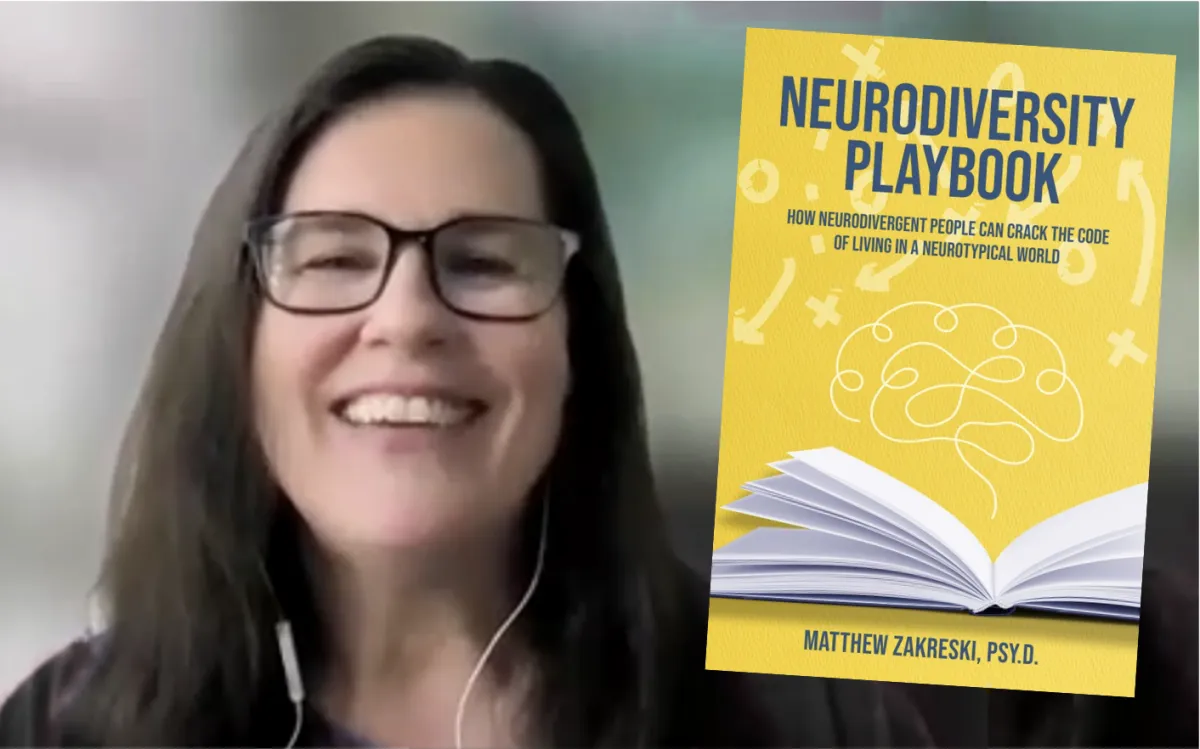
Does the word “gifted” do our kids a disservice? After all, a gift is free, but giftedness can have hidden costs—especially when it masks our kids’ struggles.
Inside Voices

Ever wonder what’s really going on inside your twice-exceptional child’s mind? 2e teen Teddy L. shares his personal story of what it was like growing up 2e—before even knowing what 2e was!
About FlexSchool
FlexSchool is an accredited private school where gifted, neurodivergent, and twice-exceptional (2e) students can explore their passions, embrace their challenges, and find a community of teachers and friends who understand and accept them as they are.

ready to transform your 2e child's school experience?
Join us for a FlexSchool Virtual Open House!
In this highy informative session, FlexSchool Founder Jacqui Byrne will answer questions on many topics, including our philosophy and approach, our campus communities, tuition and financial aid.